

The importance of ISO/IEC 17025 accreditation in pyrometric controls.

Heat treatment processes are critical operations that determine the mechanical and structural properties of materials, especially in industries requiring high precision such as aerospace, automotive, defense, and energy.
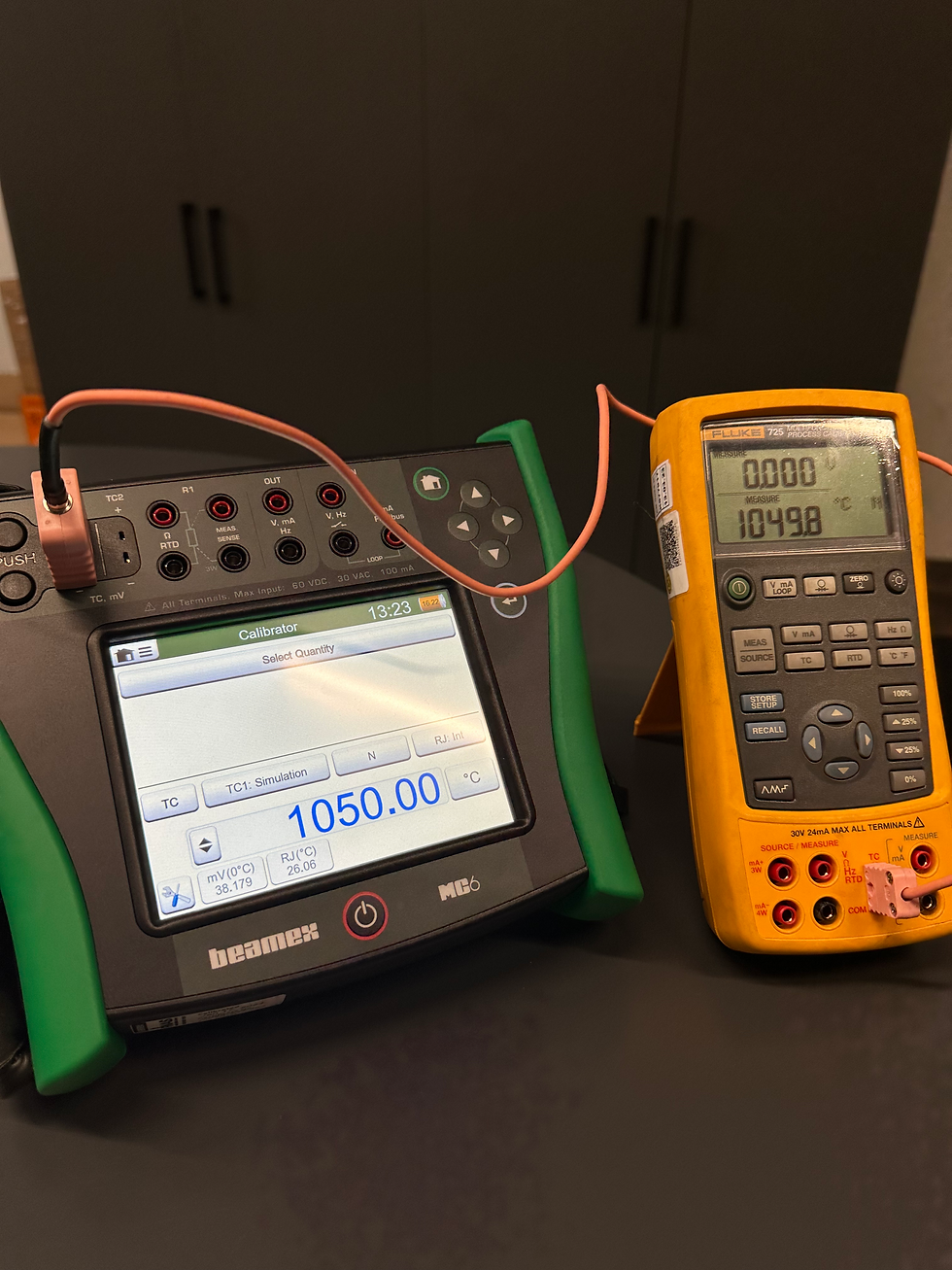
The temperature control systems of the ovens used in these processes are of great importance in terms of product quality. Pyrometric checks — calibrations, system accuracy tests (SAT) and temperature distribution investigations (TUS) — performed to verify that the ovens are functioning correctly, directly affect product safety.
In pyrometric testing, ISO/IEC 17025 accreditation provides important assurance for the traceability of measurements and independent verification of technical competence.
However, accreditation alone is not sufficient for a successful pyrometry program. Deep field experience, particularly in the operating principles of heat treatment furnaces, atmosphere control, loading characteristics, thermocouple applications, and AMS 2750 and CQI-9 requirements, is critically important. This is because the correct planning, implementation, and interpretation of TUS, SAT, and other pyrometric tests require not only calibration knowledge but also a comprehensive understanding of the entire heat treatment process. Therefore, when selecting a pyrometry service provider, in addition to accreditation, the company's expertise and industry experience in heat treatment technologies should also be evaluated.
What is ISO/IEC 17025 accreditation?
ISO/IEC 17025 accreditation is an international certification that demonstrates a laboratory's ability to perform specific testing and/or calibration services in a technically competent and reliable manner.
ISO/IEC 17025 is the standard for the “general requirements for the competence of testing and calibration laboratories.” It was jointly published by the International Organization for Standardization (ISO) and the International Electrotechnical Commission (IEC).1. Certificate of Technical Competence
ISO/IEC 17025 is an international standard that evaluates not only the management system but also the technical competence of the laboratory. A laboratory accredited according to this standard demonstrates its ability to perform calibration of temperature measuring instruments, system accuracy tests, and temperature distribution studies accurately, traceably, and repeatably.
2. National and International Recognition
Accreditation 17025 falls under the scope of ILAC-MRA (Mutual Recognition Agreements). This means that a test or calibration report issued by an accredited laboratory is directly accepted in Europe, America, or other countries that are members of accreditation authorities. This provides a significant advantage, especially for companies that apply international pyrometry standards such as AMS 2750 , CQI-9 , and NADCAP.
3. Risk Reduction
Incorrect pyrometric controls in heat treatment furnaces can lead to the part being processed at temperatures too low or too high, resulting in undesirable microstructures, cracks, or strength losses. The way to minimize these risks is to work with reliable and competent laboratories. ISO/IEC 17025 accreditation demonstrates that this reliability is technically ensured.
4. Compliance with Legal and Customer Requirements
In many aerospace and automotive supply chains, customers only accept calibration and test reports from ISO/IEC 17025 accredited laboratories. Particularly in NADCAP and CQI-9 audits, having pyrometric tests performed by an accredited organization is a fundamental requirement.
5. Traceability and Reliability
The ISO/IEC 17025 standard mandates that measurement results be traceable to national and/or international measurement standards. This ensures that each temperature measurement is based on a known reference and that the entire chain can be traced back if necessary.
In conclusion, the accuracy of pyrometric controls performed in heat treatment furnaces directly affects not only production quality but also product safety and customer satisfaction. Therefore, working with laboratories accredited under ISO/IEC 17025 is the most accurate and reliable way to ensure technical compliance, international validity, and quality assurance.
How can BDI Metal help you?
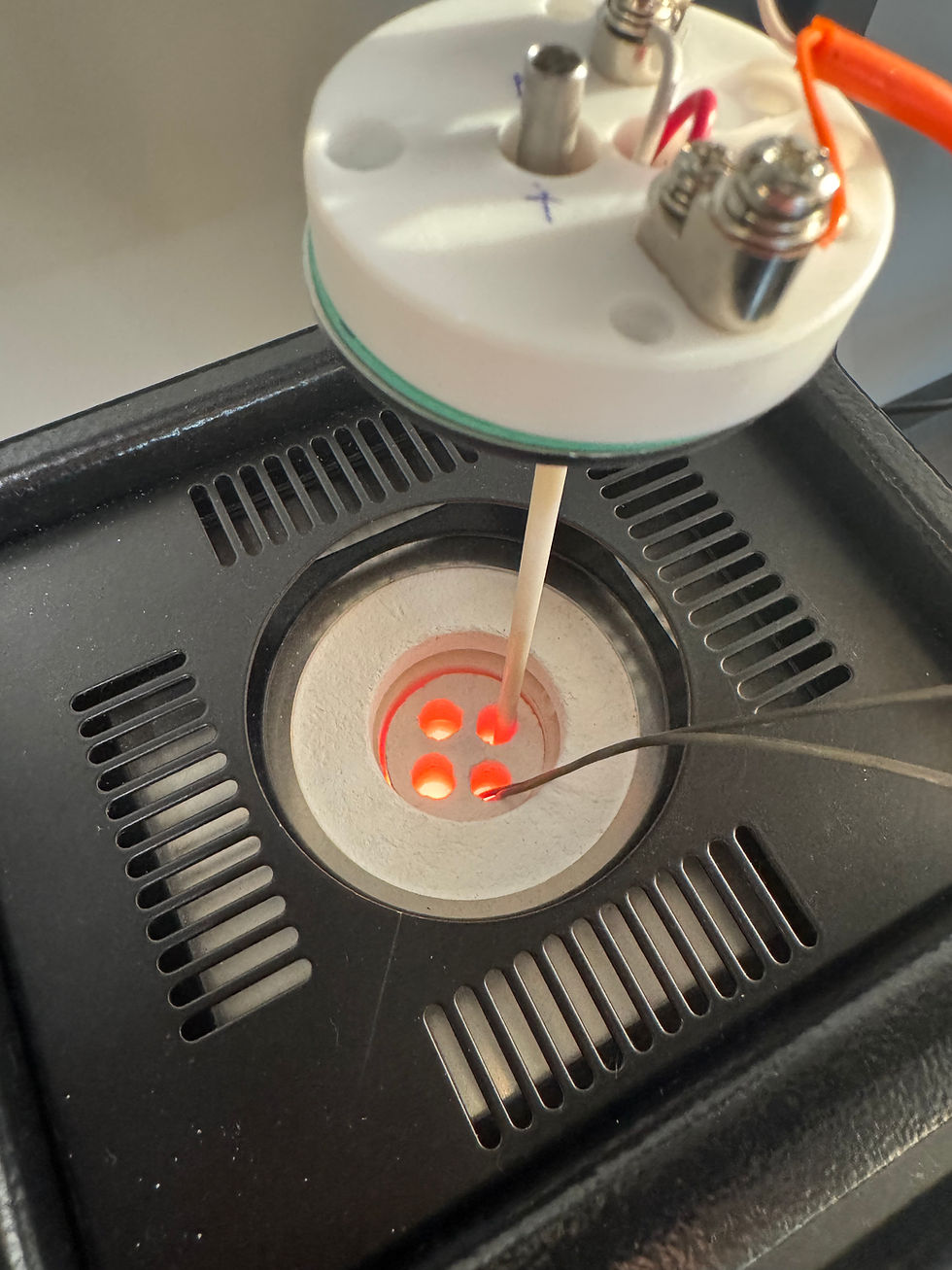
We can perform calibration services for heat treatment equipment, which is our area of expertise, in accordance with the relevant standards.


Comments